
Burst Pipes & Insurance in Silver Springs
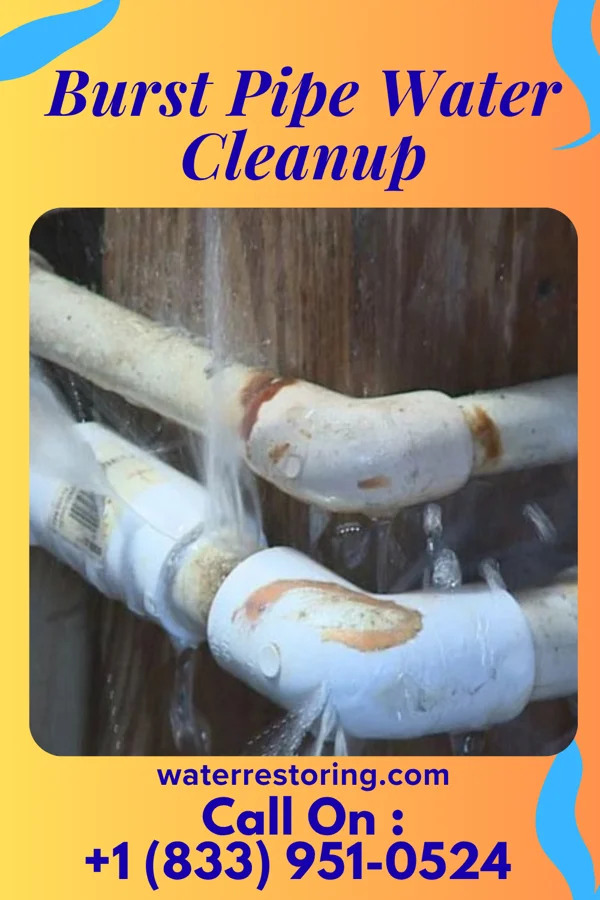
Silver Springs, Alaska, experiences extreme temperature fluctuations that can cause pipes to expand and contract, increasing the risk of bursting. The region's cold winters and sudden temperature changes put additional stress on aging infrastructure, particularly in rural areas with limited access to professional maintenance. is the trigger behind most burst pipe water cleanup claims in Silver Springs. A close second is The area's remote location and reliance on older plumbing systems in both residential and commercial properties make pipe bursts more likely. Additionally, the presence of permafrost in nearby regions like Gulkana and Tazlina can cause ground movement, indirectly affecting underground piping.. Most homeowner insurance policies cover sudden, accidental water damage. What separates a clean claim from a stuck one is fast professional response with documentation an adjuster can actually use.
Silver Springs' harsh climate, characterized by long, severe winters and rapid temperature shifts, creates a challenging environment for plumbing systems. These conditions significantly increase the likelihood of pipe bursts, especially in older homes and buildings.
Most burst pipe water cleanup calls in Silver Springs come from Silver Springs, Alaska, experiences extreme temperature fluctuations that can cause pipes to expand and contract, increasing the risk of bursting. The region's cold winters and sudden temperature changes put additional stress on aging infrastructure, particularly in rural areas with limited access to professional maintenance.. Running a close second is The area's remote location and reliance on older plumbing systems in both residential and commercial properties make pipe bursts more likely. Additionally, the presence of permafrost in nearby regions like Gulkana and Tazlina can cause ground movement, indirectly affecting underground piping.. Local mold risk: Silver Springs' cold, dry climate reduces the risk of mold growth compared to more humid regions, but prolonged water exposure still poses a threat. Mold can develop quickly if water is not removed within the critical 24-48 hour window.
For public guidance on the health effects of mold after prolonged water exposure, see the EPA mold and health page.