
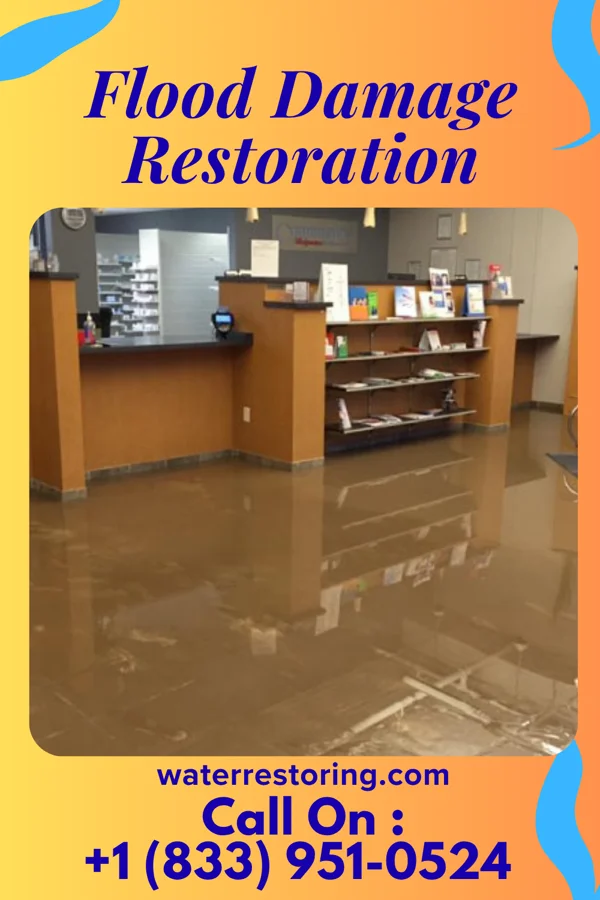
Why Silver Springs Floods Hit Hard
Water damage in Silver Springs tends to cluster in predictable windows because of the local climate. Silver Springs, Alaska is prone to flooding due to its location near rivers and seasonal snowmelt in the surrounding mountains. Heavy rainfall events, especially in the spring and early summer, can lead to rapid water accumulation in low-lying areas and along riverbanks.
The region experiences a subarctic climate with cold, wet winters and relatively short, cool summers. Spring thaw and heavy precipitation can significantly increase flood risk, particularly in areas with poor drainage.
Most flood damage restoration calls in Silver Springs come from Silver Springs, Alaska is prone to flooding due to its location near rivers and seasonal snowmelt in the surrounding mountains. Heavy rainfall events, especially in the spring and early summer, can lead to rapid water accumulation in low-lying areas and along riverbanks.. Our team specializes in handling all water damage categories, from clean water incidents to black water events, ensuring comprehensive restoration in Silver Springs. Local mold risk: In Silver Springs, mold can develop within 48 hours of water exposure. Our rapid response helps prevent mold growth and protects your property from long-term damage.
For public guidance on the health effects of mold after prolonged water exposure, see the EPA mold and health page.